Advancing Biodiversity Science Through Technology
A nonprofit research institute dedicated to scientific research and education in biodiversity, soil biology, microbiology, nematology, entomology, and agroecology.
Contact UsAbout the Institute
Biosfera Research Institute is a nonprofit organization established to advance the frontiers of biodiversity science through innovative research and technology transfer.
As a spin-off from the UNC System, we bring deep expertise in big data, cloud computing, and cutting-edge AI to biodiversity science—viewed through the lens of entomology and nematology. Our team combines academic rigor with industry-scale engineering to address pressing challenges in understanding and preserving biological diversity.
Our work spans multiple disciplines, integrating cutting-edge technology with traditional biological research to create scalable solutions for specimen digitization, biodiversity monitoring, and agricultural sustainability.
"To advance science, agriculture, and environmental sustainability through the development of innovative technologies, and to facilitate the transfer of technology for the ultimate benefit of the public."
Our Focus Areas
- Biodiversity Research
- Soil Biology
- Microbiology
- Nematology
- Entomology
- Agroecology
Initiatives
Our research initiatives span the full spectrum from early-stage exploration to mature, market-ready technologies.
SoilTech
A successful technology company providing high-throughput instrumentation that combines flow cytometry, multi-spectral sensing, and machine learning to rapidly identify soil organisms. This peer-reviewed technology supports all-taxa biodiversity assessments in California and the Appalachians.
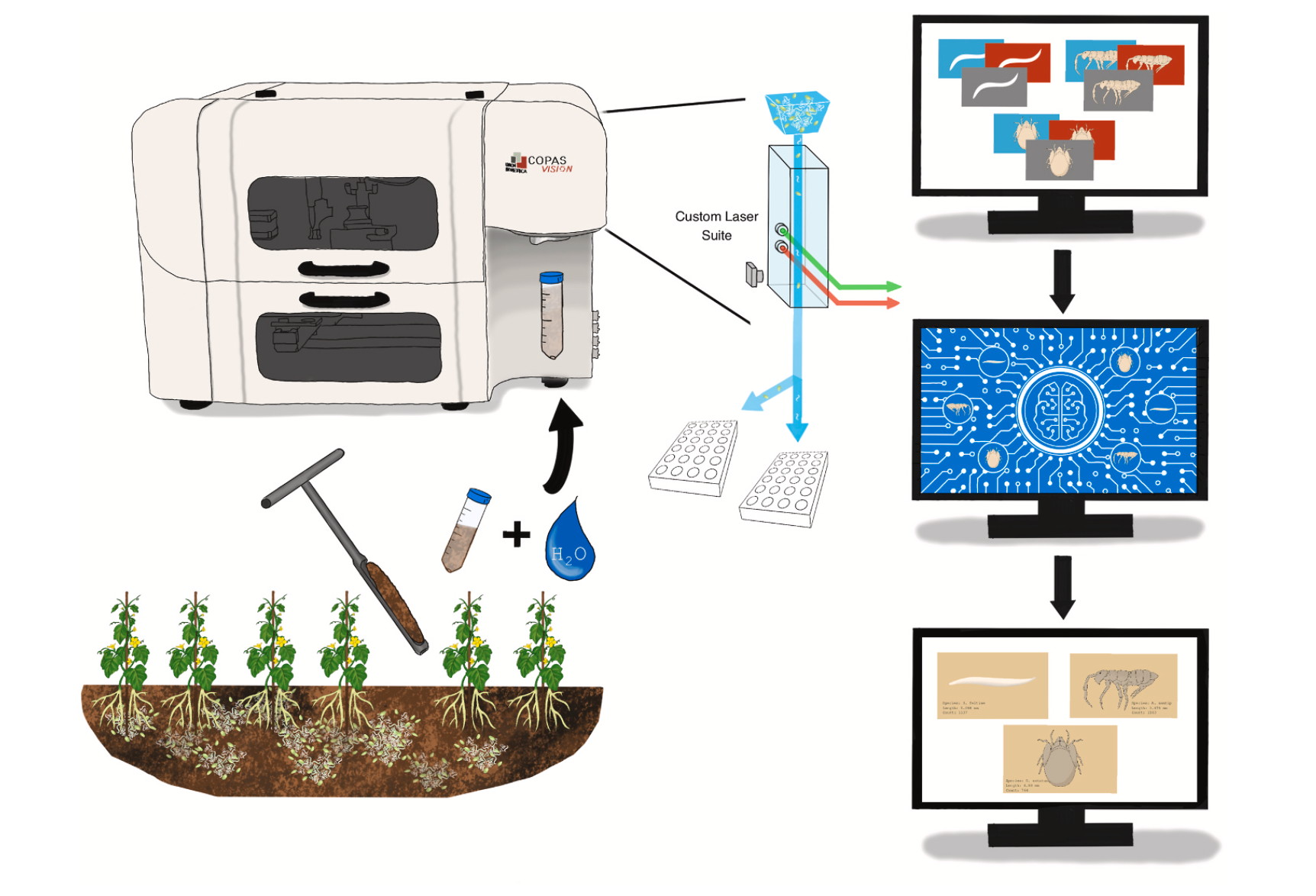
The Smart Soil Organism Detector extracts, isolates, counts, and identifies soil organisms—from nematodes to micro-arthropods—at rates exceeding 2,000 per minute. Each organism receives a unique "digital fingerprint" from 12 optical channels scanned at 2.5 MHz, enabling species-level identification without destroying the specimen. Published research demonstrates 95.5% accuracy identifying nematode strains and 6-fold improvements in species discovery efficiency compared to traditional methods. Applications span soil health assessment for agriculture, biodiversity monitoring for conservation, and ecosystem response tracking for climate science.
3D Reconstruction of Insects
AI-driven pipeline transforming smartphone photographs into research-grade 3D digital specimens. Eliminates the equipment and expertise barriers that have left 99.99% of biological collections without 3D representation.
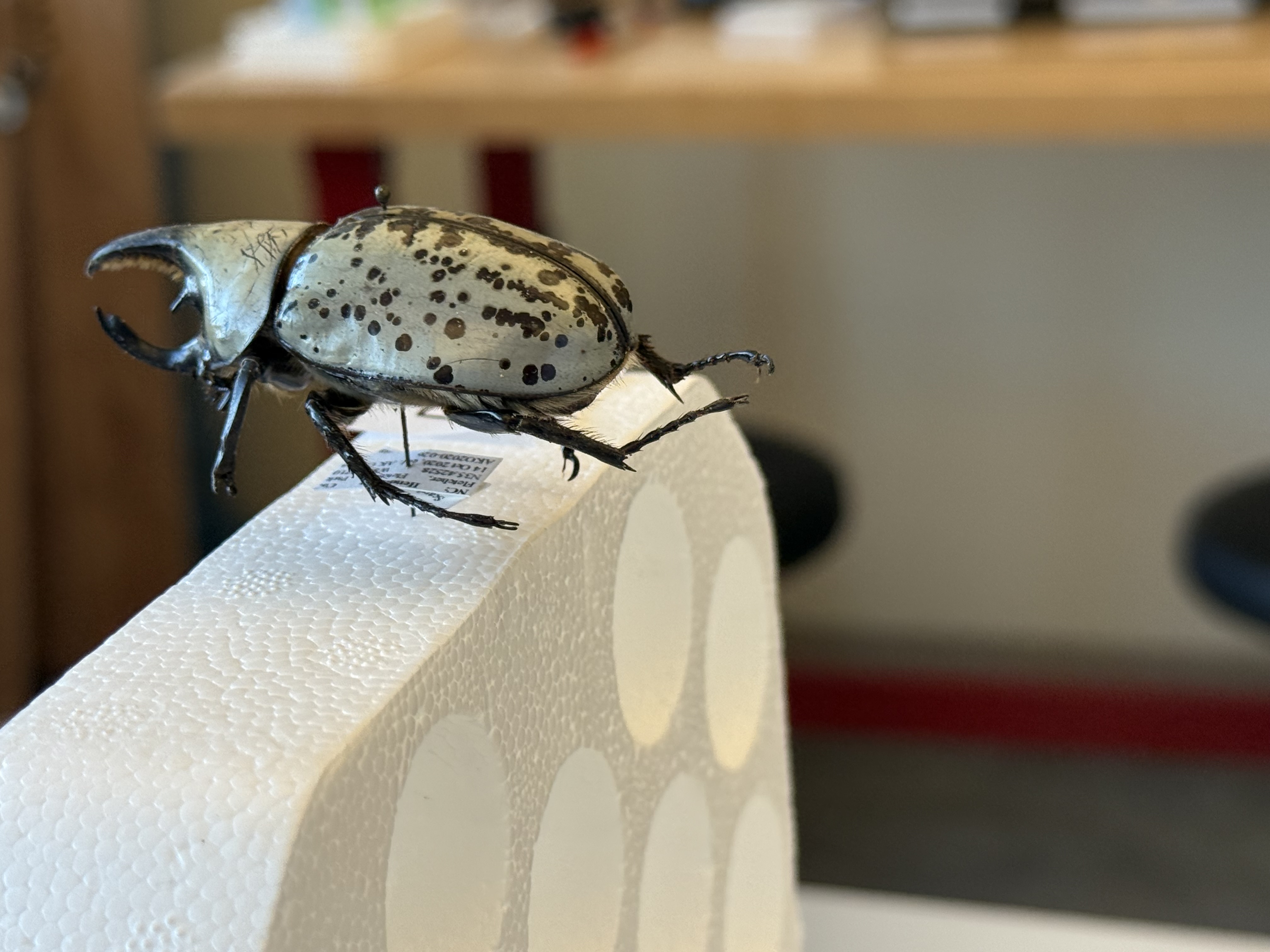
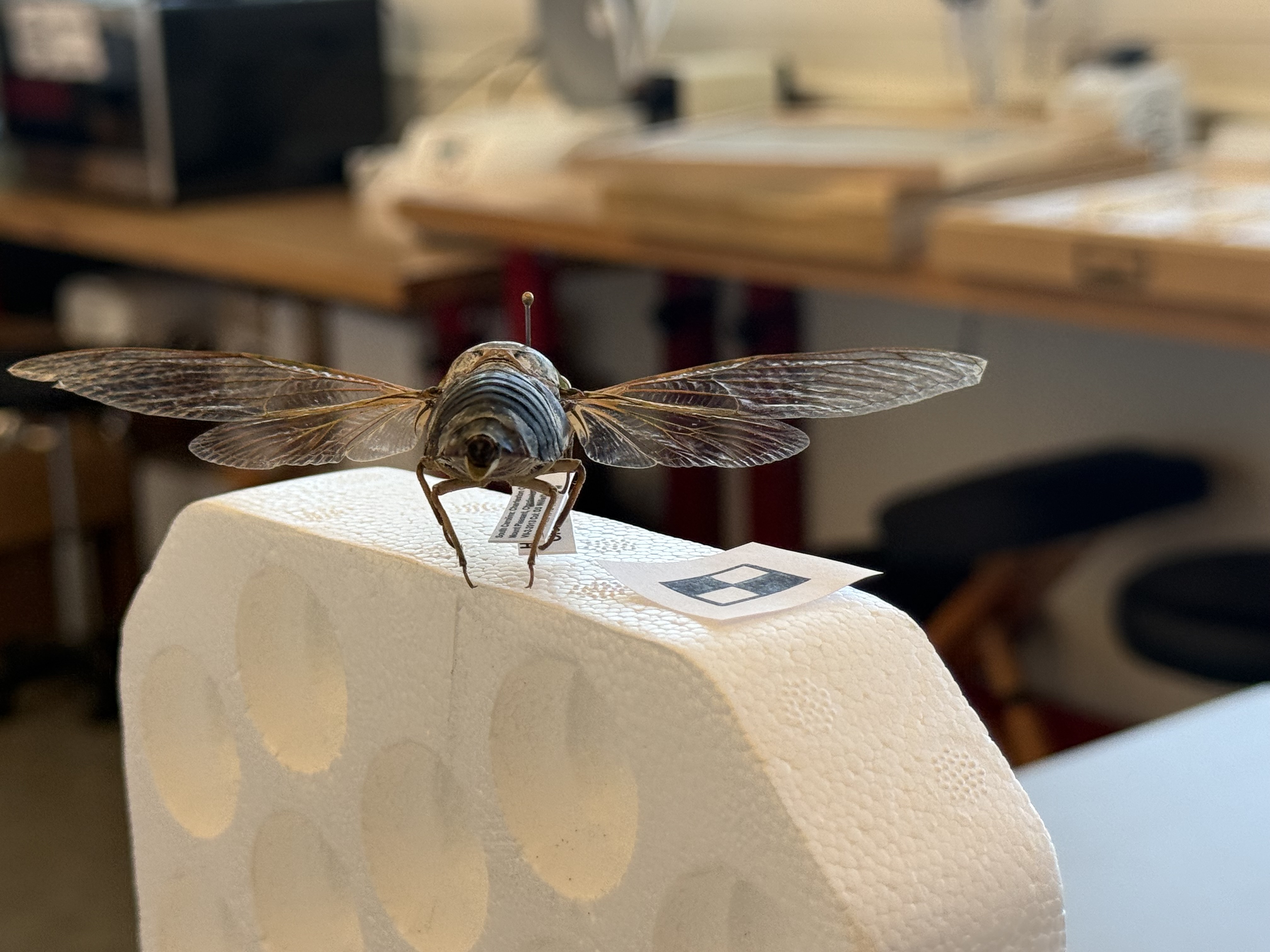
Our pipeline combines photogrammetry, Neural Radiance Fields, and Vision Transformers to reconstruct detailed 3D models from 3-5 smartphone images captured in under one minute. Unlike micro-CT scanning ($21-40/hour, specialized facilities), this approach works with any smartphone, requires no special backgrounds or lighting, and processes specimens as they exist in collection drawers. Outputs include high-fidelity 3D meshes, morphometric point clouds with AI-identified anatomical landmarks, and semantic embeddings for cross-collection comparison. The technology enables digital loans of fragile holotypes, automated morphometric analysis, and interactive educational experiences.
AI Quantification of Insects
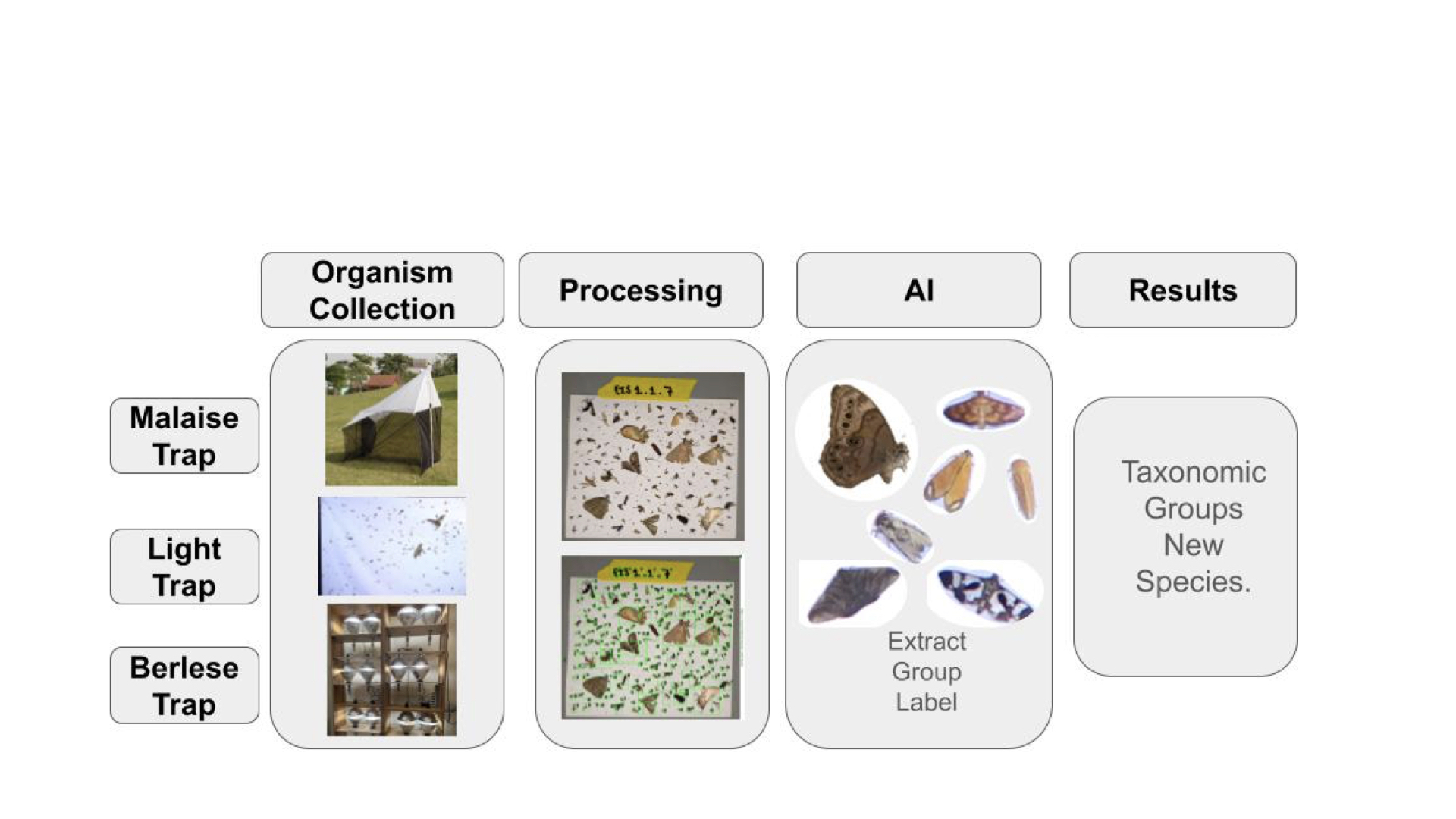
Automated biodiversity quantification using computer vision to detect, segment, and classify insects from standardized trap samples. Scales biodiversity monitoring from manual counts to continuous, landscape-level assessment.
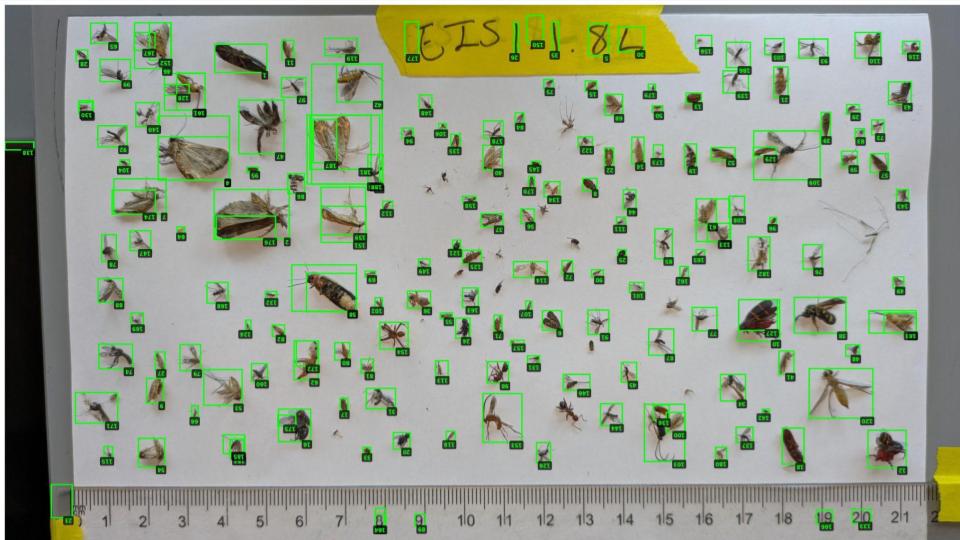
Traditional biodiversity monitoring requires expert taxonomists to manually sort and identify thousands of specimens per trap—a bottleneck that limits surveys to small scales and infrequent sampling. Our AI pipeline automates this process: specimens from malaise traps, light traps, or Berlese funnels are photographed on standardized sheets, then processed through object detection and classification models to generate taxonomic inventories. We are actively developing this technology in partnership with malaise trapping networks in the Appalachian Mountains and research groups conducting light trapping in the Amazon, building training datasets that span temperate and tropical insect diversity.
Team
Dr. Denis S. Willett
Digital Transformation & AI
Data scientist and entomologist bridging biodiversity research and cloud-scale infrastructure.
Dr. Camila C. Filgueiras
Entomology & Nematology
Biodiversity Scientist, Entomologist, and Nematologist specializing in insect-plant-microbe interactions, biological control, and soil biodiversity.
Partner with Us
We welcome collaboration with research institutions, funding agencies, and industry partners interested in advancing biodiversity science and technology.
team@biosfera.institute